


Acanthosis Nigricans (AN) is more than just a skin condition, it's a symptom of possible internal health conditions. Quickly written off as a cosmetic problem, AN is frequently an indication of internal metabolic or hormonal dysfunction.
The most common etiology of Acanthosis Nigricans is insulin resistance, such as in type 2 diabetes and obesity. The dermal fibroblasts and keratinocytes of the skin are activated to proliferate by elevated blood insulin levels and result in thickened lesions. Certain medications, including oral contraceptives and corticosteroids, also can cause AN.
In very exceptional instances, Acanthosis Nigricans is linked with malignancy, namely gastric adenocarcinoma. This variety, referred to as malignant acanthosis nigricans, usually develops extremely quickly and also involves mucous membranes, as well as the skin. Early detection and follow-up are therefore imperative. ये भी पढ़ें - अपने राज्य / शहर की खबर अख़बार से पहले पढ़ने के लिए क्लिक करे
AN treatment includes tests for the causative factor. For example, weight reduction to increase insulin sensitivity, modification of diet, and medications such as metformin reduces pigmentation. Topical treatment such as retinoids, ammonium lactate, and urea creams whiten the affected skin but will only do so when the causative factor is treated.
Types of Hypersensitivity Reactions: When the Immune System Overreacts.
Our defense system is meant to safeguard us, but sometimes it gets overzealous.Types of Hypersensitivity reactions develop when the defense system overresponds or responds inappropriately to a sensed threat. They are classified into four main types, each having unique mechanisms and consequences.
Type I – Immediate (Anaphylactic) Hypersensitivity
Type I reactions follow allergen binding of IgE antibodies to allergens and subsequently to mast cells and basophils. Upon a second challenge of the cells with the allergen, the cells release histamine and other inflammatory mediators, producing such symptoms as itching, swelling, and lethal airway obstruction.
Example: Allergic response to peanuts leading to swelling of the airway and breathing trouble within minutes.
Type II – Cytotoxic Hypersensitivity
In Type II hypersensitivity, IgG or IgM antibodies against antigens on certain cells tag them for destruction. This leads to cell lysis or dysfunction by complement fixation or antibody-dependent cellular cytotoxicity.
Type III – Immune Complex-Mediated Hypersensitivity
This type consists of immune complex deposition antigen-antibody complexes that are not effectively removed and instead deposit in tissues like blood vessels, kidneys, or joints. Tissue injury and inflammation follow because of activation of the complement system and accumulation of inflammatory cells.
Example: Systemic lupus erythematosus (SLE), where there are widespread immune complexes that cause organ damage like the kidneys and skin.
Type IV – Delayed-Type Hypersensitivity (DTH)
By this mechanism, T-cells identify an antigen and secrete cytokines that attract macrophages and other leukocytes to the affected area and cause localized tissue destruction.
Example: Tuberculin skin test (Mantoux test), or poison ivy contact dermatitis.
Interplay of Skin and Immune Reactions
Of note, Acanthosis Nigricans and hypersensitivity reactions both point to the interrelated nature of the endocrine, immune, and integumentary systems. Although AN isn't a hypersensitivity reaction per se, it's an expression of systemic disruption that can secondarily influence immune function. As an illustration, for instance, obesity, the most prevalent etiology of AN, is compounded by chronic low-grade inflammation that potentially raises hypersensitivity reactions as well as autoimmune disease.
In addition, among the hypersensitivity reactions, one of them manifests cutaneously. For example, urticaria of Type I reactions or erythema nodosum of Type III can be visually indistinguishable from skin conditions such as AN, and differential diagnosis is therefore necessary.
Conclusion:
Acanthosis Nigricans as well as hypersensitivity reactions are cutaneous manifestations of internal phenomena. Although AN uses the vocabulary of metabolic disturbance and hormonal dysfunction, hypersensitivity reactions signal the overactive defensive response of the immune system. Early diagnosis and targeted treatment not only reverse the symptomatology but also avoid long-term sequelae. Skin, however, is not merely a surface, it's an indicator of underlying realities.
 आकाश दीप ने खोला 'पंजा', 356 रनों पर सिमटी न्यूजीलैंड की पहली पारीप्रदूषण के बीच घर से निकलते ही होने लगता है सिरदर्द? थकान नहीं, खराब हवा भी हो सकती है वजहन्यूजीलैंड के गेंदबाजों ने कसा शिकंजा, दूसरे दिन का खेल खत्म होने तक भारत का स्कोर 116/628 नवंबर का पंचांग- सुबह होते ही बदल जाएगी तिथि, जानिए सूर्योदय से लेकर चंद्रोदय तक का समयअभिनेता जिम्मी शेरगिल और प्रनूतन बहल ने किया ‘प्यादे’ के ट्रेलर का धमाकेदार अनावरणरोज 10 मिनट अनुलोम-विलोम, तनाव-चिंता से लेकर खांसी-सांस की परेशानी तक मिलेगा छुटकाराबेटी रिया हैं अनिल कपूर की स्टाइलिस्ट, अभिनेता ने बताया बेटियों के बचपन का किस्सा राशिफल 26 नवंबर 2026: मेष से मीन तक जानें किसे मिलेगी तरक्की, किसकी बढ़ेगी परेशानीशाहीन भट्ट के बर्थडे पर मां सोनी राजदान का इमोशनल पोस्ट, बोलीं-तुम्हारे साथ फोटो लेना सबसे मुश्किल कामदिलजीत दोसांझ के कॉन्सर्ट में पहुंचीं सान्या मल्होत्रा, सिंगर ने स्टेज पर बुलाकर किया डांसविमेंस एशियन चैंपियंस ट्रॉफी: चीन को 3-1 से मात देकर भारत ने रिकॉर्ड चौथी बार जीता खिताबयामी गौतम के बर्थडे पर पति आदित्य धर का स्पेशल पोस्ट, उन्हें बताया 'यामी पगलू'ज्ञान, भक्ति, कर्म और ध्यान : योग की इन विधाओं में छिपा है सुखी जीवन और आत्मज्ञान का मंत्रबॉबी देओल ने ताजा की बचपन की यादें, बोले-शोले की शूटिंग में पिता धर्मेंद्र के साथ आया करता थाअगले 6 महीने ऊखीमठ में होंगे बाबा केदार के दर्शन, ओंकारेश्वर मंदिर में स्थापित हुई पंचमुखी उत्सव डोली 27 नवंबर का पंचांग: गणाधिप संकष्टी चतुर्थी का व्रत, जानें चंद्रोदय से लेकर राहुकाल तक का समयये प्रेम मोल लिया’ की रिलीज के एक दिन बाद ही याद आया राजश्री फिल्मों का सदाबहार अंदाजअवनीत कौर ने फैंस को दिया सरप्राइज का हिंट, ‘गनमास्टर G9’ के प्रीमियर से इमरान हाशमी संग शेयर की खास झलक!

शरीर से मन और आत्मा तक… योग के पांच कोशों में छिपा है संपूर्ण जीवन का रहस्य

मयूरासन के रोज अभ्यास से बढ़ेगी ताकत, संतुलन और एकाग्रता, जानें इसके फायदे
प्रदूषण के बीच घर से निकलते ही होने लगता है सिरदर्द? थकान नहीं, खराब हवा भी हो सकती है वजह
 राशिफल 28 नवंबर: जानिये कैसा बीतेगा 12 राशि के जातकों का शनिवार का दिन
 दिलजीत दोसांझ के कॉन्सर्ट में पहुंचीं सान्या मल्होत्रा, सिंगर ने स्टेज पर बुलाकर किया डांस
 'मैं 40 दिन में फिल्म खत्म करूं तो गलत क्या है?', अक्षय कुमार ने नोलन-टॉम क्रूज का दिया उदाहरण
 छठ पूजा की भक्ति में डूबीं मौनी रॉय, पटना पहुंचकर बोलीं- 'यह सिर्फ पर्व नहीं, एक एहसास है'
 अवनीत कौर ने फैंस को दिया सरप्राइज का हिंट, ‘गनमास्टर G9’ के प्रीमियर से इमरान हाशमी संग शेयर की खास झलक!
 IAS बनने का सपना देखती थीं यामी गौतम, किस्मत ने बना दिया बॉलीवुड स्टार
 श्रद्धा कपूर की 'ईठा' के गाने पर झूमीं अक्षरा सिंह, फैंस से बोलीं- 'अब आपकी बारी'
 भोपाल के थिएटर से मुंबई तक, अर्शी खान ने ऐसे बदली अपनी किस्मत
 'ओम' के लिए साई पल्लवी ने कटवा दिए अपने लंबे बाल, मां ने देखा नया लुक तो काट दिया फोन
 पति के लिए छलका दिव्यांका का दर्द, बोलीं- आपको आपके काम से पहचान मिलनी चाहिए
 रोज 10 मिनट अनुलोम-विलोम, तनाव-चिंता से लेकर खांसी-सांस की परेशानी तक मिलेगा छुटकारा
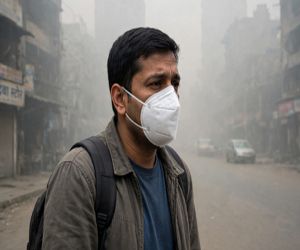 प्रदूषण के बीच घर से निकलते ही होने लगता है सिरदर्द? थकान नहीं, खराब हवा भी हो सकती है वजह
 'वह सिर्फ पति नहीं, मेरी पूरी दुनिया थे', पहली पुण्यतिथि पर धर्मेंद्र को याद कर भावुक हुईं हेमा मालिनी
 सोनाली बेंद्रे संग डांस कर बोलीं शरवरी, इस पल को हमेशा दिल के करीब रखूंगी
 जब शाहरुख खान ने भुवन बाम को दी 'चंपी', एक्टर और यूट्यूबर ने खास वाकया किया याद
 'पंचायत' के सीजन 5 को लेकर जितेंद्र कुमार और फैसल मलिक ने बताया- 'हर किरदार को मिला प्यार'
 'मैं मरने के बाद भी जिंदा रहूंगा', डिजिटल क्लोन देखकर गदगद हुए राम गोपाल वर्मा
 रीढ़ को लचीला और तनाव को दूर करता है मार्जरीआसन-बिटिलासन, जानें इसके फायदे
 'जेम्स बॉन्ड' के रोल में रॉबर्ट पैटिंसन की एंट्री, इम्तियाज अली ने कहा- डेनियल क्रेग के बाद सबको प्रभावित करना मुश्किल
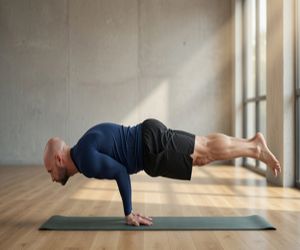 मयूरासन के रोज अभ्यास से बढ़ेगी ताकत, संतुलन और एकाग्रता, जानें इसके फायदे
 बच्चों की सेहत बिगाड़ सकती हैं खानपान से जुड़ी ये गलतियां, माता-पिता आज ही बदलें ये आदतें
 शरीर से मन और आत्मा तक… योग के पांच कोशों में छिपा है संपूर्ण जीवन का रहस्य
 बॉबी देओल ने ताजा की बचपन की यादें, बोले-शोले की शूटिंग में पिता धर्मेंद्र के साथ आया करता था
 अभिनेता जिम्मी शेरगिल और प्रनूतन बहल ने किया ‘प्यादे’ के ट्रेलर का धमाकेदार अनावरण
 शरीर और दिमाग के लिए फायदेमंद रोना, तनाव घटाने से लेकर आंखों की सफाई तक, जानें आंसुओं के फायदे
 जिन इलाकों में लगे होते हैं खूब सारे पेड़, वहां बुजुर्ग आबादी रहती है डिप्रेशन से कोसों दूर: स्टडी में खुलासा
 चेहरे की चमक से लेकर बालों की मजबूती तक, बादाम का तेल है कुदरती ब्यूटी टॉनिक
 रोज करें गोमुखासन, कंधे-पीठ के दर्द से मिलेगी राहत, फेफड़े होंगे मजबूत
 पसीने वाले मोजे और गीले पैर बन सकते हैं फंगल इन्फेक्शन की वजह, जानें लक्षण और बचाव के तरीके
 पादहस्तासन: रोज सिर्फ 5 मिनट करें ये योगासन, कमर दर्द, तनाव और पाचन की समस्या होगी दूर
 योग केवल शारीरिक फिटनेस नहीं, सर्वांगीण विकास में है सहायक : आयुष मंत्रालय
 तनाव और अनिद्रा से हैं परेशान,शक्ति मुद्रा का करें रोज अभ्यास, मिलेगा फायदा
 ज्ञान, भक्ति, कर्म और ध्यान : योग की इन विधाओं में छिपा है सुखी जीवन और आत्मज्ञान का मंत्र
 कुमार सानू ने बताया क्यों हैं वे 'मेलोडी किंग', बोले- गाना गाते वक्त खुद को समझता हूं हीरो
 पिंच मयूरासन: कंधे-गर्दन के दर्द और तनाव से पाना है छुटकारा, तो रोज करें ये आसन
 मिर्गी का दौरा पड़ते ही न हों परेशान, आपकी ये छोटी-सी समझदारी बचा सकती है मरीज की जान
 क्या 'शराबी' में सच में नशे में थे बिग बी? अमिताभ बच्चन ने केबीसी में खोला बड़ा राज
 'इंडियन आइडल' के मंच पर भावुक हुईं उर्मिला मतोंडकर, हिंदी सिनेमा और संगीत की सराहना की
 रोज सिर्फ 5 मिनट करें हलासन, कमर दर्द और पेट की चर्बी से मिलेगा छुटकारा
 रोज 5 मिनट करें अर्ध तितली आसन, कूल्हे-पेल्विक में बढ़ेगा ब्लड फ्लो, मिलेंगे ये फायदे
 देखें आज 29/11/2026 का राशिफल
 Romantic things you should do during your honeymoon
 Rishabh Pant to donate match fee towards rescue operations in Uttarakhand
 Telegram becomes most downloaded app on Google Play Store
 WhatsApp working on new mention badge features for group chats
Daily Horoscope


