


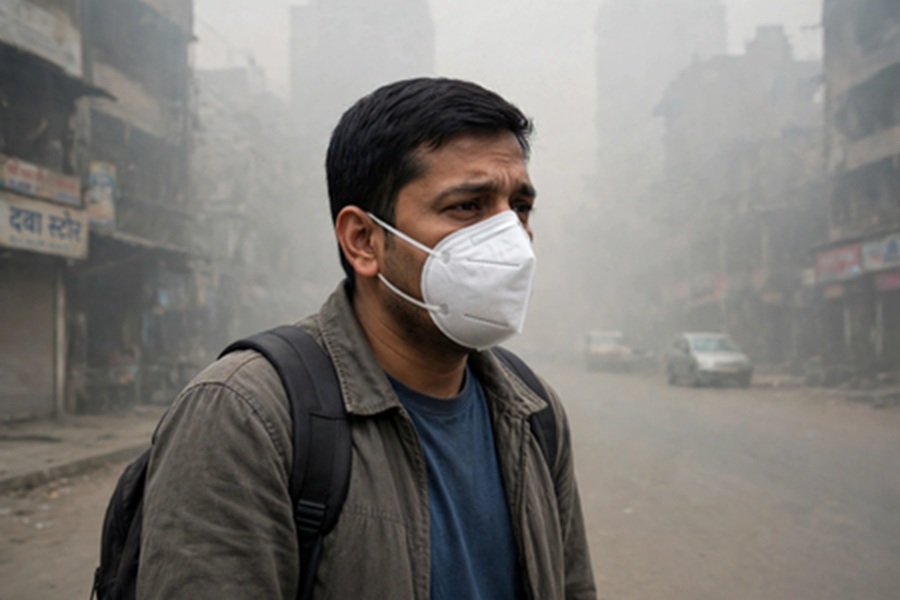
New Delhi: The festival of Diwali is associated with happiness, lights and sweets. This year too, people decorated their homes and celebrated with fireworks. However, after the festivities, air quality has started deteriorating in several cities. Smoke from firecrackers, dust and harmful gases have mixed into the atmosphere, directly affecting people's health.Children, the elderly and those already suffering from medical conditions are particularly vulnerable. However, air pollution can also affect otherwise healthy individuals. Therefore, it is important to take special care of your health in the aftermath of Diwali.Air pollution after Diwali can cause several health problems, including coughing, sore throat, breathing difficulties and chest tightness.Fine particulate matter such as PM2.5 and PM10 present in the air can enter the lungs through breathing. This can worsen symptoms in people suffering from asthma and chronic obstructive pulmonary disease (COPD).Therefore, avoid going outdoors when pollution levels are high. If stepping outside is unavoidable, wear a well-fitted N95 mask. People with respiratory conditions should take their prescribed medicines and use inhalers as advised by their doctors.Smoke and dust from firecrackers can also affect the eyes and skin. After Diwali, many people may experience eye irritation, redness, itching and watery eyes. Some may also develop skin irritation, itching and red rashes.To avoid these problems, wash your face and hands with clean water after returning from outside. Avoid rubbing your eyes repeatedly.Some people may also experience headaches, fatigue and dizziness. Instead of ignoring these symptoms, pay attention to your health. Drink plenty of water and try to maintain clean indoor air.Extremely fine pollutant particles in the air can affect not only the lungs but also the heart and blood vessels. People already suffering from high blood pressure or heart disease should take extra precautions during this period.When pollution levels are high, avoid morning and evening walks or exercising outdoors. Instead, opt for light physical activities and exercises indoors.Reducing outdoor activities alone is not enough to protect yourself from pollution. Keep windows and doors closed when outdoor pollution levels are high. Avoid excessive use of incense sticks, dhoop and other smoke-producing products inside the house.Clean your home regularly and ensure that dust does not accumulate indoors.


